What’s the difference, and when does it matter?
If you’re designing threaded holes in thin-walled metal parts, choosing the right tapping method is essential.
A cold forming tap (also known as a roll tap or Flowtap) works very differently from a traditional cut tap. And in most cases, that difference matters more than you’d think.
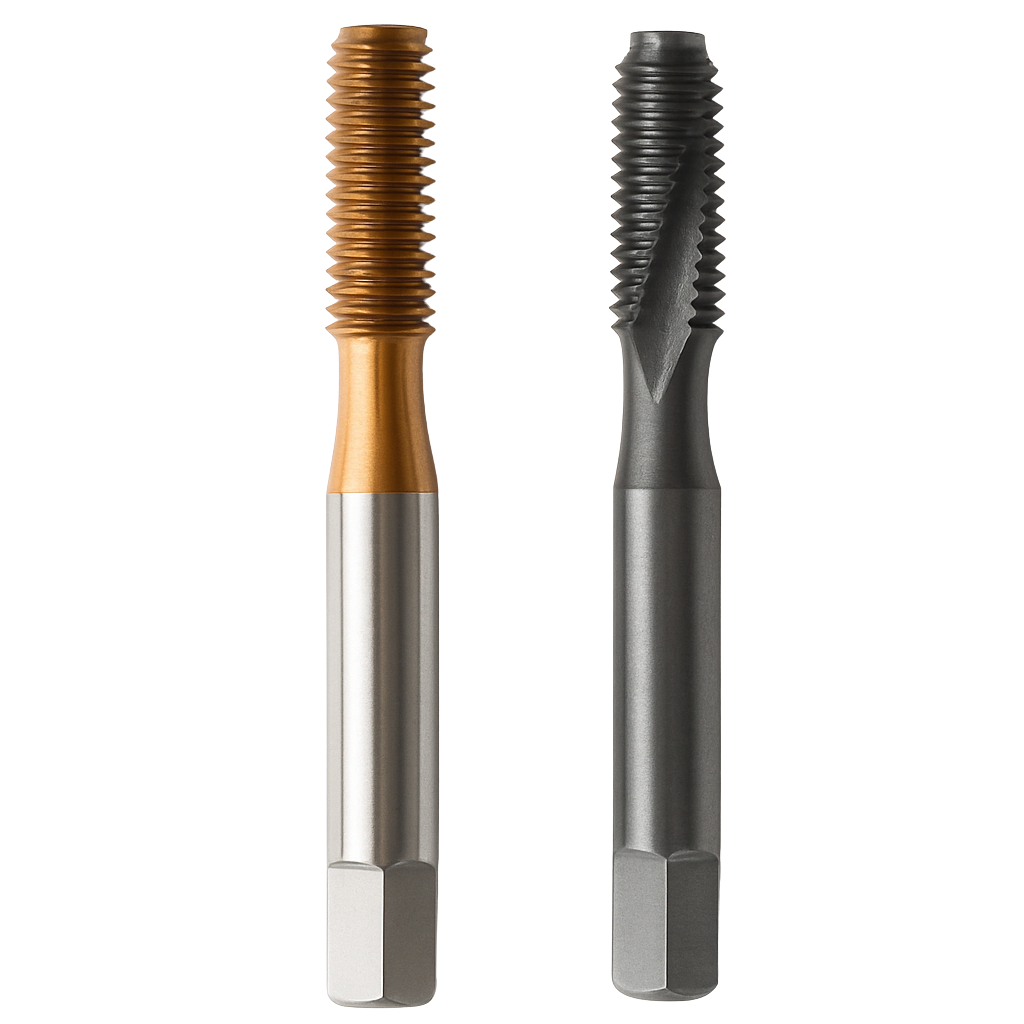
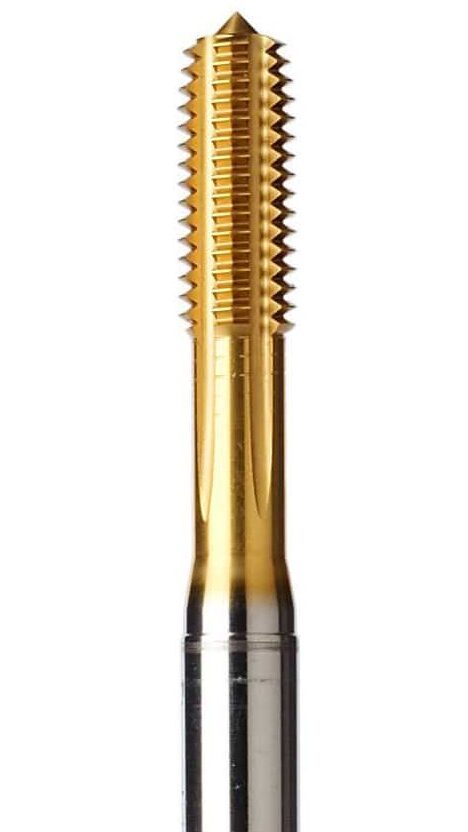
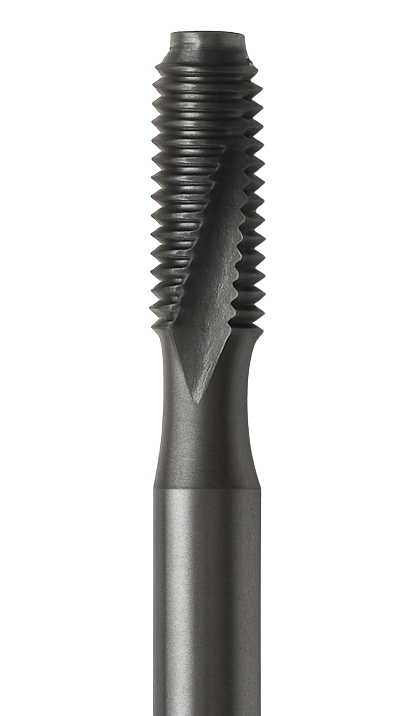
Cold forming taps create internal threads by plastically deforming the material rather than cutting it.
This process is completely chipless: there’s no material removal, no swarf, and no risk of broken chips stuck in blind holes.
The result is a work-hardened thread profile with excellent dimensional stability.
Flowtaps are well-suited for use after friction drilling, where the collar and sleeve provide extra wall thickness for thread engagement.
Cut taps (also known as cutting taps or thread cutting taps) use sharp flutes to remove material and form the thread.
While this method is versatile and works in many materials, it creates chips that must be evacuated, and it disrupts the grain structure of the metal, potentially weakening the thread.
In thin-walled applications, cut taps often create weaker threads and can jam due to chip buildup.
| Feature | Cold forming tap (Flowtap) | Cut tap (standard) |
|---|---|---|
| Thread strength | +15–25% higher stripping torque | Lower torque resistance |
| Pull-out strength | Higher due to uninterrupted grain flow | Lower; grain structure is broken |
| Chip formation | 100% chipless | Creates swarf; requires removal |
| Tool life | 3–20× longer | Wears faster due to cutting edges |
| Tapping speed | Up to 2× faster | Limited by chip removal and heat buildup |
| Surface finish | Work-hardened, smoother thread | Rougher, more friction |
| Ideal for thin materials | ✓ Yes | ✗ Often problematic |
Flowtaps are the preferred choice in applications where:
There are still scenarios where cut taps make sense:
Compared to standard tapping, Flowtaps offer a cleaner, stronger, and more productive solution. If you’re designing threaded holes in friction-drilled metal, switching to cold forming taps will eliminate chip-related issues and dramatically improve thread performance.
Curious how much stronger your threads can be?
Request our comparative data set or learn more about the benefits of friction drilling and cold forming tapping [here].