Revolutionize your production process, replace Rivet, Weld or Press nuts.
As an innovative designer, you aim to build high-performance systems that are leak-free, efficient, and sustainable.
Thin copper and stainless-steel materials bring unique challenges especially at T-joints and raised edges.
Traditional methods like welding and soldering often lead to misalignments, weak joints, and costly leaks.
What if there was a solution for missed inserts, slipping, preventing expensive rework and say goodbye to design limitations?
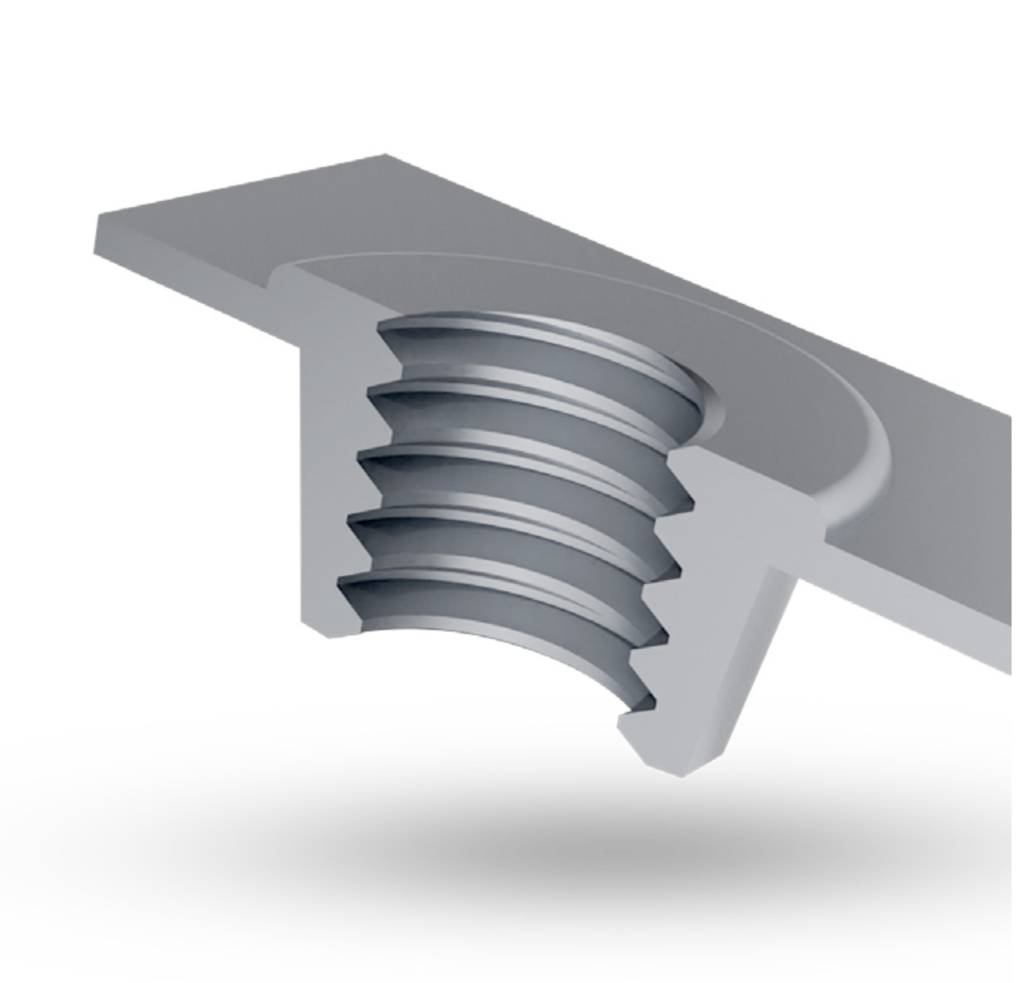
A Flowdrill friction-drilled connection is known for its high strength, depending on the material, wall thickness, thread size, and application. In many cases, it can be stronger than alternatives such as rivet nuts, blind rivet nuts, or press-in nuts. For example, a friction-drilled connection in 2.0 mm thick steel can withstand a force of up to 2.7 tons, approximately 26.5 kN. This makes it a strong and reliable alternative to conventional mechanical fastening methods.
Yes, Flowdrill can be excellently integrated into automated production processes, including robotic welding environments. We actively support customers with this and maintain strong relationships with experienced machine builders, including those in the automotive industry.
Copper and brass (CuZn39Pb3, CW614N): Is suitable for friction drilling, but requires adjusted parameters. Please contact us, we are happy to help you!
Traditional joining methods like welding and soldering often lead to:

Using only the base material, Flowdrill offers an alternative that:
All without additional fasteners or welding.
Benefits for HVAC designers:
Precision and durability:
Strong, accurate connections using only the base material, ideal for thin copper and stainless steel.
Improved product quality:
No more leaks from poor welds or solder joints.
Cost savings:
Less material waste and fewer reworks thanks to a more efficient process.
Sustainable production:
Less waste and lower energy usage support your environmental goals.
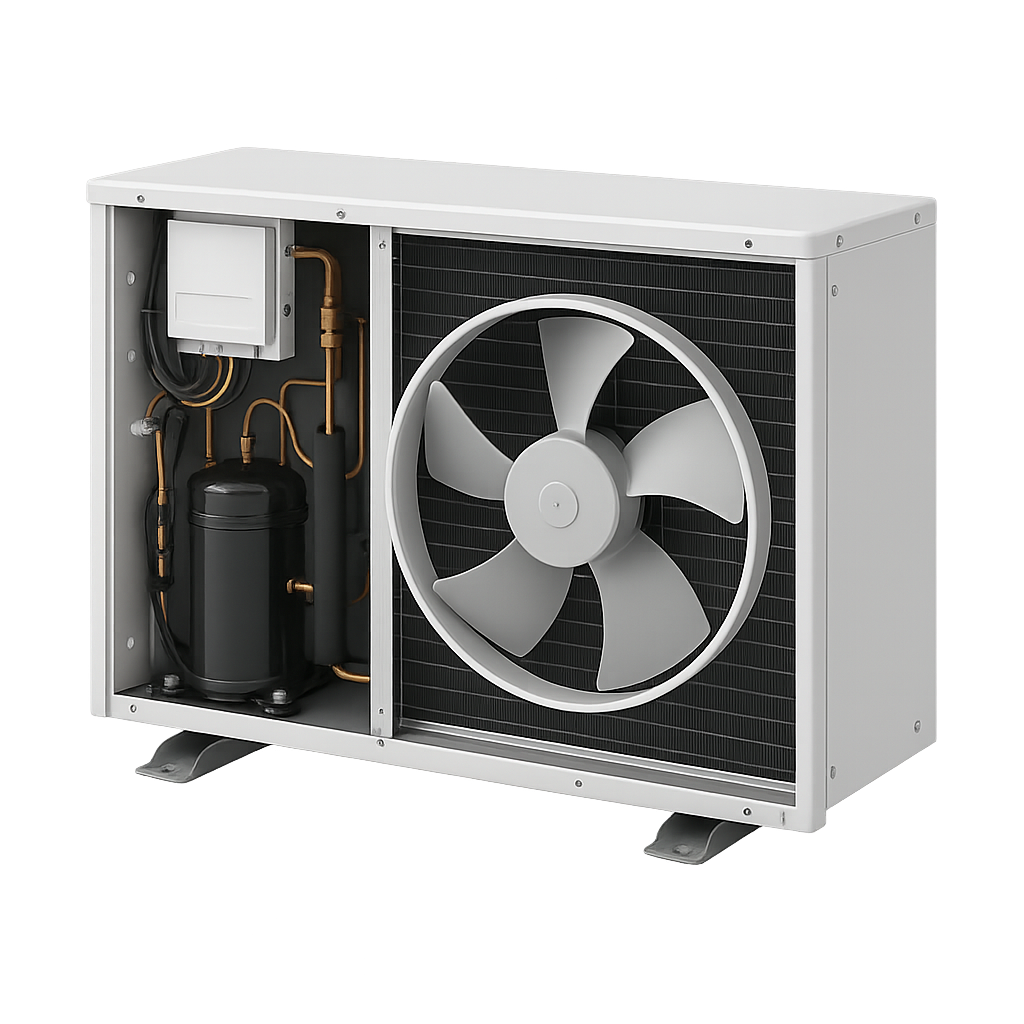
Friction drilling is used throughout the home, from hidden spots under the floor to visible installations in utility boxes. Thanks to Flowdrill, engineers around the world create strong, leak-proof, and sustainable connections.

Flowdrill achieves ISO 9001 certification every year, the global standard for quality management. This guarantees:

Free download – the official Flowdrill designer handbook
Read more
Learn the essential steps to remove and replace a loose or slipped rivet nut with our detailed guide. Understand why rivet nuts loosen, how to safely drill them out, and the correct method for reinsertion.
Read more
Friction drilling, also known as Flowdrill, is a chipless drilling process that creates strong, form-fitting holes in metals without cutting. […]
Read more