When joining tubes or complex parts made of high-strength, lightweight metal, you will definitely face a challenge. Traditional mechanical fastening methods, such as a rivet, weld or press nut have proven unreliable.
For example, issues like missing inserts and slipping inserts often arise. Consequently, manual rework becomes necessary and tolerance issues persistently occur.
Discover how Flowdrill revolutionized the industry with friction drilling, and learn how this can elevate your projects to the next level.
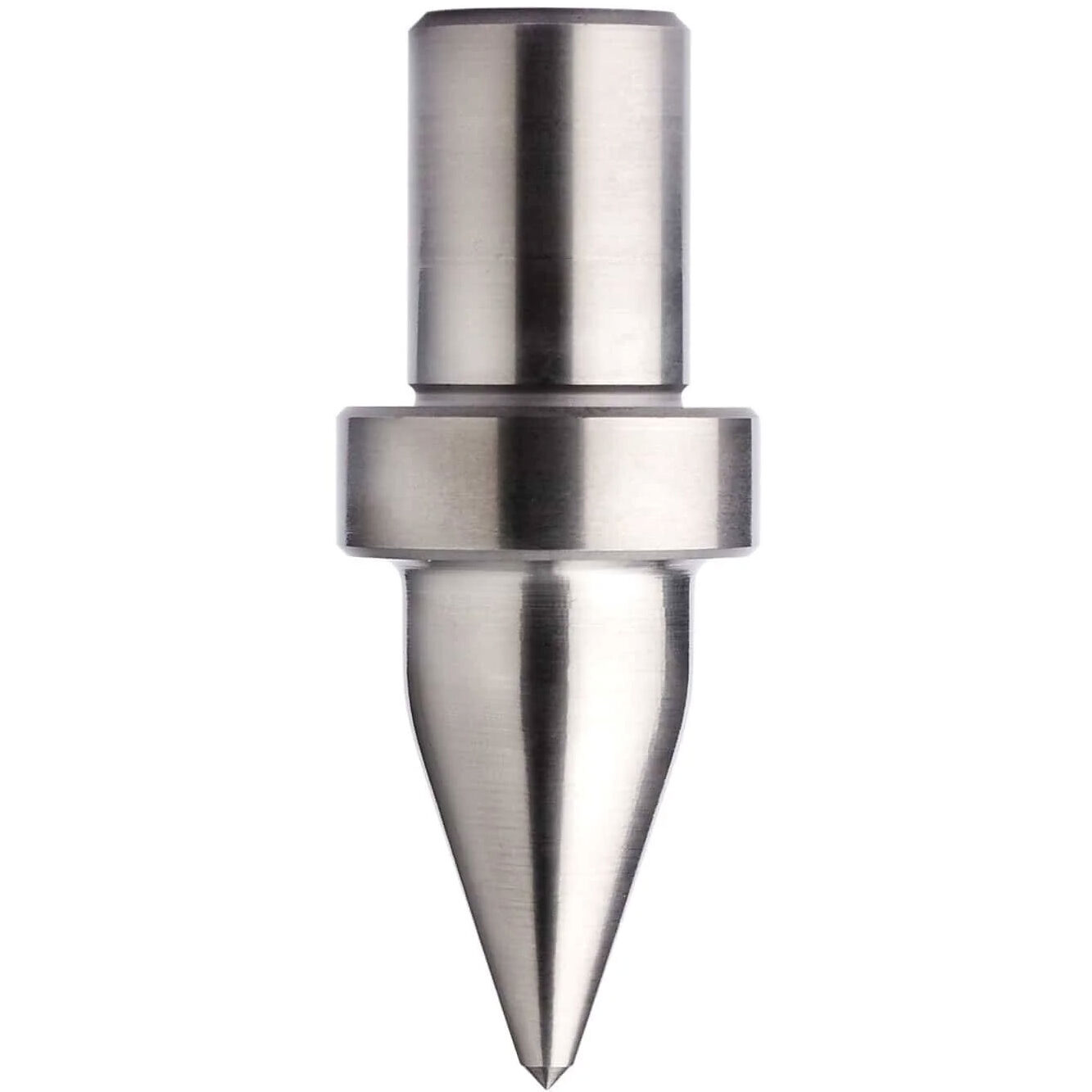
✗ Missing inserts
✗ Slipping inserts
✗ Tolerance issues
✗ High Costs
✗ Recycle limitations
✗ Design limitations
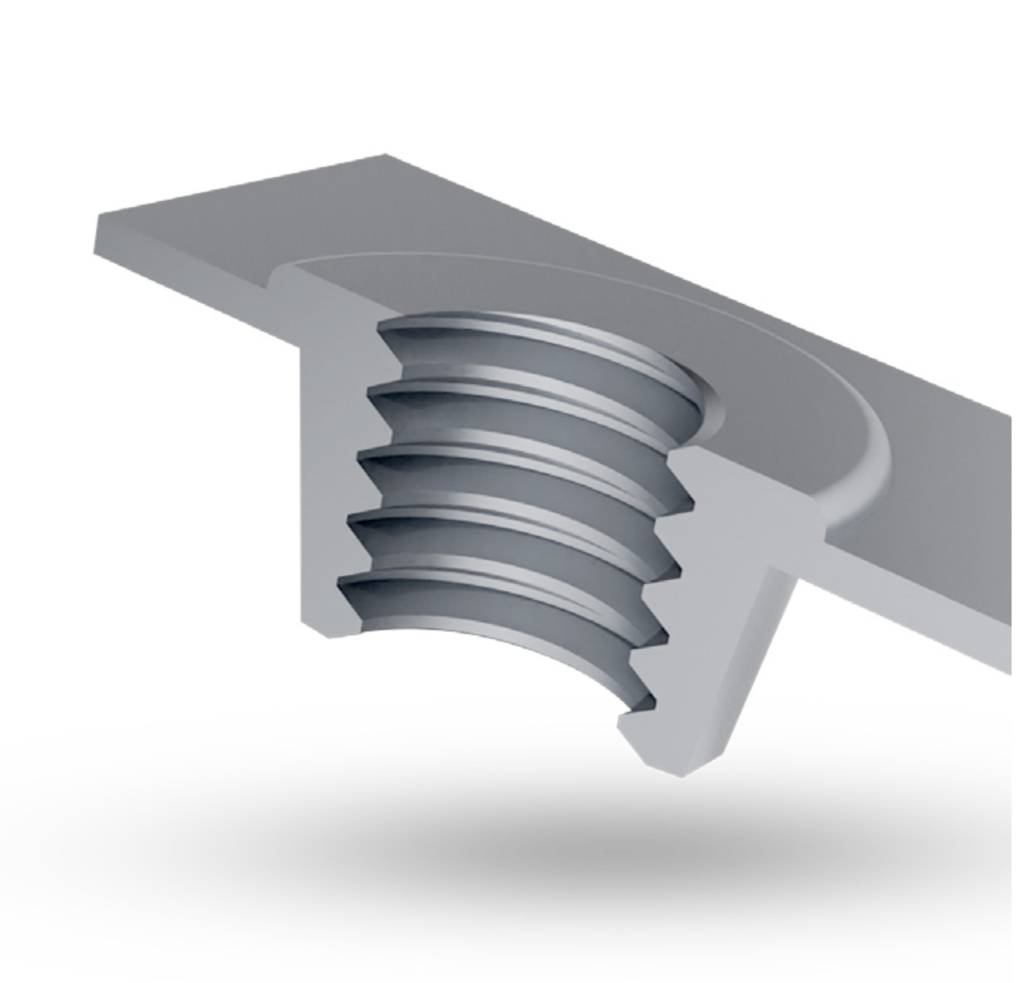
✓ 85% cheaper and 70% lighter 100% reliable
✓ Class 8 connection
✓ Single-sided process
✓ World wide customer service
✓ Custom-developed friction drills
✓ 40+ year experience







Customers every year
Connections made every year
Research & Development hours per year
Flowdrill has an extensive history with Friction drilling in the industries listed below. We are happy to see new branches added every year.
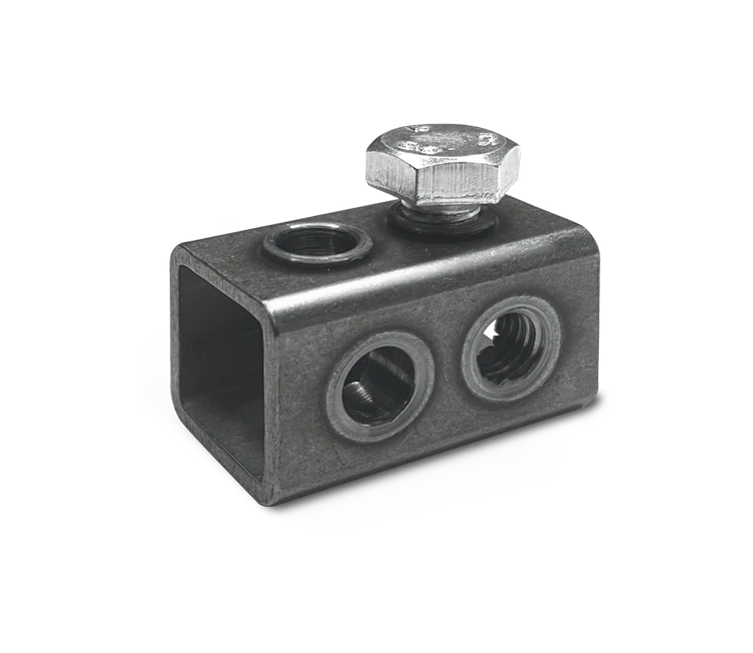
Our compact sample block fits in your hands and sits easily on your desk, giving you a close-up view of friction drilling.
We fully understand that friction drilling can be complex. But we are here to help and support you where needed. That’s what Flowdrill is known for!
Yes. Flowdrill supports the integration of friction drilling into drill presses, CNC machines, robot cells, and custom-designed production cells.Our team has experience with on-site integrations and can help evaluate the application, define the correct tool setup, and advise on key process requirements such as spindle speed, feed rate, clamping, lubrication, and machine stability.
This helps engineers implement friction drilling as a reliable production process, whether in a drill press, an existing CNC machine, an automated robot cell, or a purpose-built production system. For certain applications, on-site visits, integration support, and additional technical guidance may also be possible.
Yes, this is possible. This is known as a “Flat Finish” or a collar-free result.
The Flat Finish is achieved by incorporating a milling cutter into the standard friction drill. In a single process, the tool forms the hole and removes the excess material from the top surface, leaving a flat finish.
This allows adjacent parts to be placed flush with the material surface and is particularly useful in applications where a clean and seamless result is required, such as in the furniture industry.
Friction drilling works in almost all materials that are ductile and not brittle. Think of aluminium, stainless steel, and high-strength steel with 1000 MPa or more.
Not sure if your material is suitable? Feel free to contact us. We can quickly check this in our material database. If needed, we’ll perform additional tests to determine the possibilities.
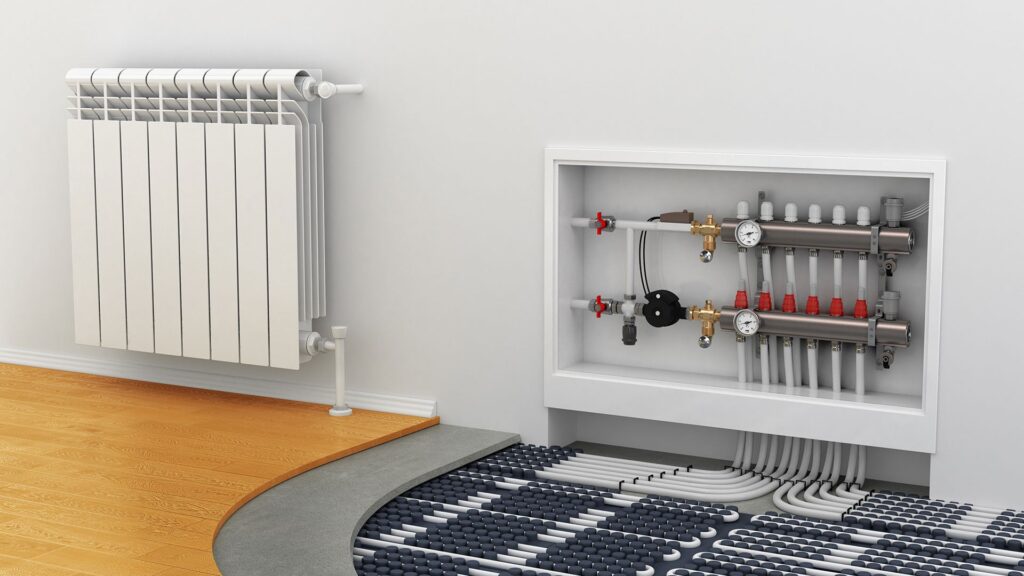
Innovating HVAC Manufacturing: Johnson Controls’ Quest for Perfection.
Johnson Controls is a leading manufacturer in heat and air systems (HVAC). Johnson Controls was facing significant challenges with their production process, predominantly due to its complex drilling process. Consequently, the presence of chips in the company’s AC units was causing numerous disruptions and compromising the overall quality of their end products.
For this reason, Johnson Controls was in search of a better solution.