Contact us

Key takeaways

  • Friction drilling works on CNCs, tube lasers, and pillar drills: even older models, if stable and fast enough.
  • Minimum requirements: 2,000–3,500 RPM, ≥1.1 kW power, rigid setup, correct toolholder.
  • No new machine needed: most workshops are already suitable.
  • Not sure? Send us your machine specs for tailored advice.
What machine do you need?

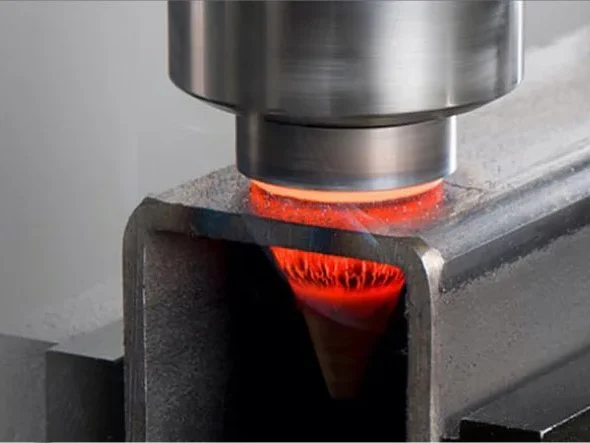
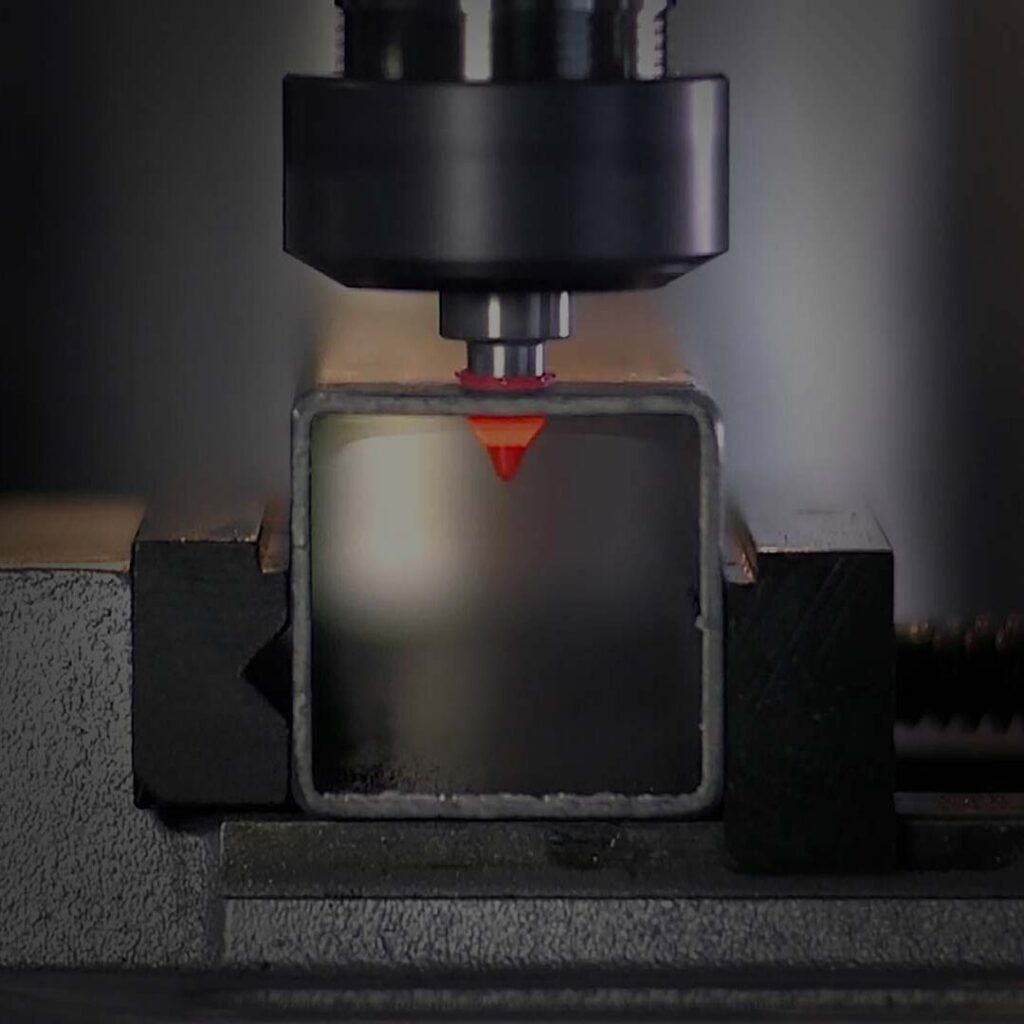
For friction drilling, more machines are versatile than you might think. Whether you’re using a CNC machine, tube laser, or pillar drill, there’s a good chance your current setup is already suitable for friction drilling, no need for major investments.

Friction drilling on CNC machines

CNC machines are ideal for friction drilling. Most 3- and 4-axis machines from brands like Mazak, Haas or Trumpf easily meet the requirements in terms of RPM, power, and process control. You’ll just need the right Flowdrill toolholder, suited to your spindle and clamping system.

Frequently asked questions for CNC Machines

Yes, as long as it can deliver the necessary speed and torque. Not sure? Contact us to check your setup.

I have a CNC, tube laser, or pillar drill machine, can I use it for friction drilling?

Frictiondrilling is possible on CNC machines, tube laser machines, and pillar drill machines. However, we do not recommend using a handheld drill for frictiondrilling. We offer specific toolholders for each type of machine. If you want to know whether your machine is suitable for frictiondrilling, or if you’re curious about what a new machine could do for you, feel free to contact us for more information.

Friction drilling on Tube laser machines

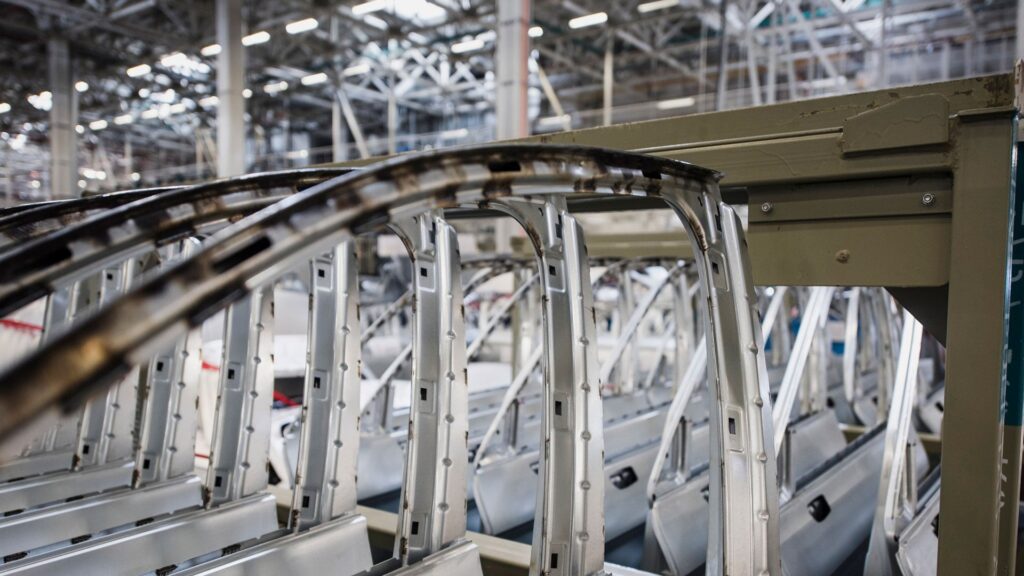
Tube laser machines are ideal for friction drilling. If your machine can apply axial force and reach the required RPMs, friction drilling is absolutely possible. This enables chipless hole-and-thread creation directly on laser-cut tubes. You’ll just need the right Flowdrill toolholder, suited to your clamping system.

Tubelaser, Tube laser, tubelaser, tube laser

Friction drilling on pillar drills

yes, even manual ones

Manual and automatic pillar drills can be used for friction drilling, provided the machine is stable and powerfull enough. It’s one of the most cost-effective ways to introduce friction drilling into your workshop, especially for small batch production.

What does your machine need?

Friction drilling doesn’t require an expensive machine, but it does require the right conditions:

RequirementMinimum Spec
Spindle speed (RPM)2,000–3,500+ depending on diameter/material
Spindle power (kW)1.1 kW or higher
Axial force1,000–2,000 N depending on material
Machine rigidityHigh, no vibration or play during drilling
ToolholdingUse a Flowdrill-specified toolholder
Material clampingSecure clamping is essential

Still not sure if your machine qualifies? We’re happy to help you evaluate your current setup.

Summary: Friction Drilling works on more machines than you think

Don’t assume friction drilling is only for high-end CNCs. If your machine has speed, power, and stability, it can probably do the job. With the right toolholder, you can friction drill with:

  • CNC machines (3/4/5 axis)
  • Tube laser machines with rotating tools
  • Manual or automatic pillar drills