
Did you know?
Did you know that Flowdrill performs its own pull-out and torque tests? We use a specialized machine to carry out these tests with high precision. You’ll also receive an official report, giving you reliable and documented test results.
Everything You Need to Know
When selecting a mechanical joining method, strength is often one of the most important factors.
Whether you’re an experienced engineer or new to metalworking, this guide shows why friction drilling connections are known for their exceptional strength.
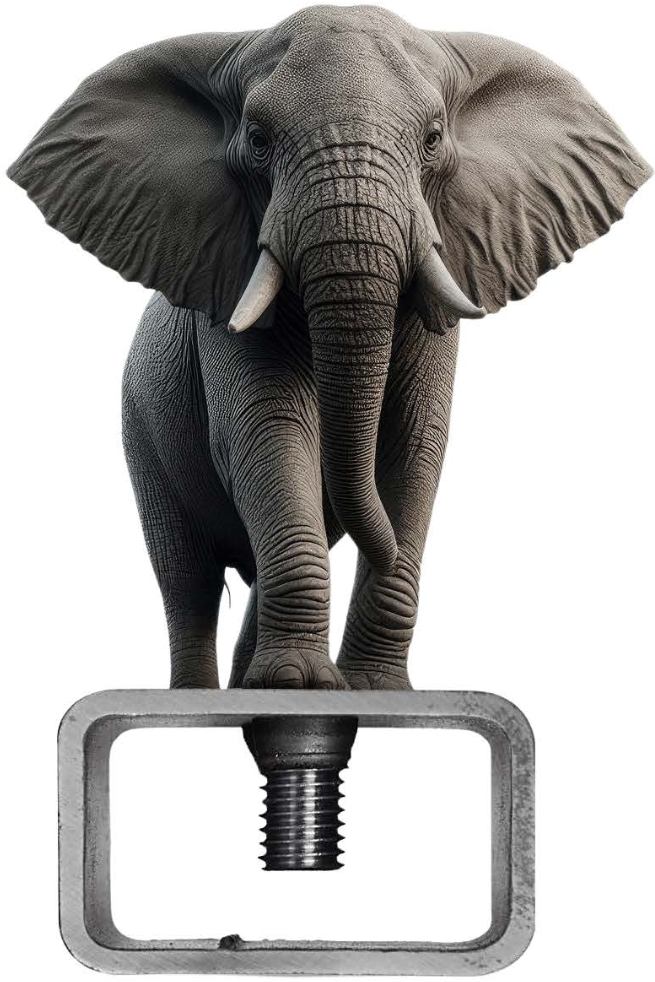
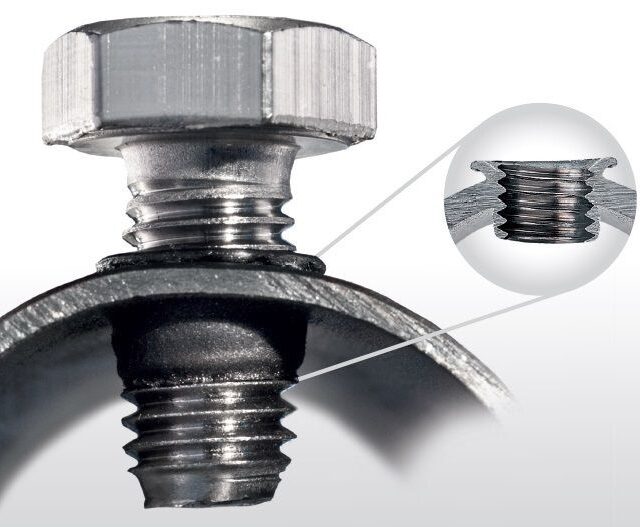
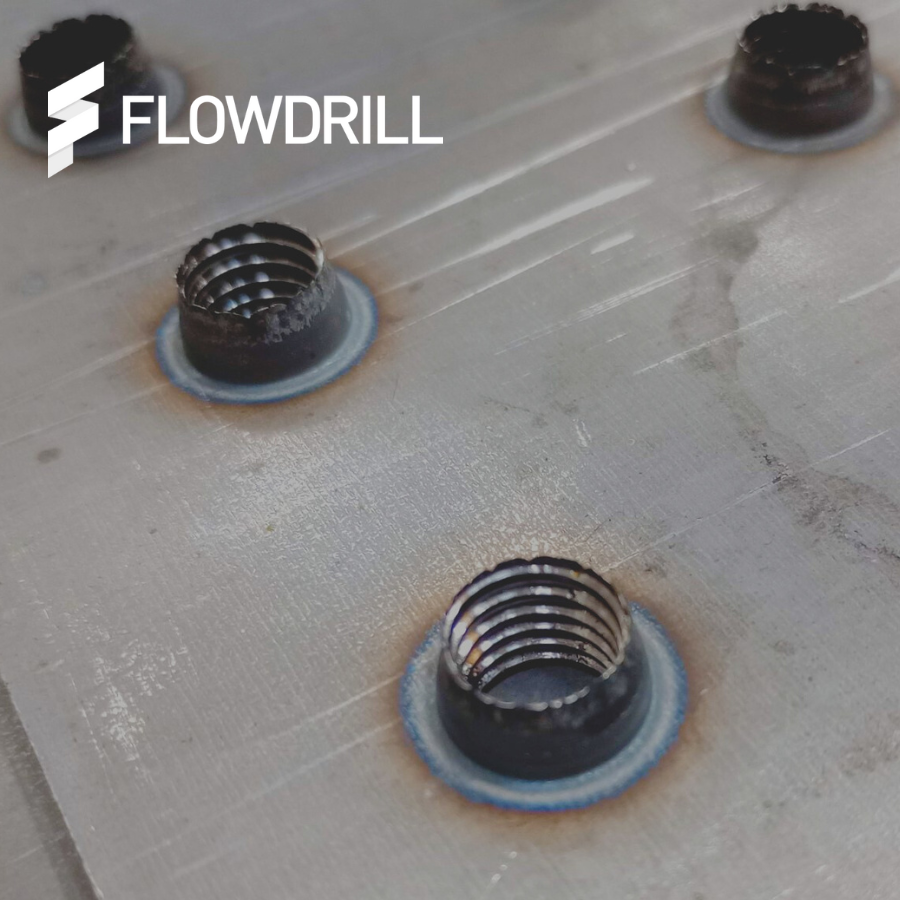
Friction drilling doesn’t remove material, it reshapes it using heat and pressure. This means you don’t get a hole with weak edges, but a solid collar formed directly in the metal.
That collar makes all the difference:
The key benefits:
Very high pull-out and torque strength
The wider thread base creates a strong connection, even in thin-walled metal.
No more loose inserts
The thread is formed directly in the material, no spinning nuts, no risk of loosening.
Reliable under heavy loads
Vibration, dynamic forces, or temperature changes? The connection stays solid, even under long-term stress.

Traditional fastening methods like press nuts, rivet nuts, and weld nuts come with several disadvantages:
Limited strength
Press and rivet nuts often provide low pull-out and torque resistance.
Risk of loosening under load
They can spin or come loose due to vibration, temperature changes, or heavy loads.
Additional processing required
Weld nuts demand tight tolerances and often require post-processing.
More base material needed
A thicker base material is usually required to ensure the insert stays firmly in place.
Did you know that Flowdrill performs its own pull-out and torque tests? We use a specialized machine to carry out these tests with high precision. You’ll also receive an official report, giving you reliable and documented test results.
A friction drilled hole is typically 3x material thickness, however this is dependent on drill diamter and material thickness. At Flowdrill we can provide you complete hole dimensions including step files if required to incorporate into your drawings. Just let us know the material thickness, thread size, and surface finish desired.
For larger and automated production setups, we offer an automatic lubrication system. This eliminates the need to manually apply paste or oil during frictiondrilling and tapping.
FDKS Paste is essential for successful frictiondrilling. It’s a high-performance, heat-resistant paste that helps prevent material buildup and extends tool life. We recommend applying the paste with the included brush every 5 holes.
Apply a small amount of tapping oil after each hole using the supplied brush. The oil ensures optimal lubrication during thread forming, resulting in stronger threads and a longer tool life.
Friction drilling works in almost all materials that are ductile and not brittle. Think of aluminium, stainless steel, and high-strength steel with 1000 MPa or more.
Not sure if your material is suitable? Feel free to contact us. We can quickly check this in our material database. If needed, we’ll perform additional tests to determine the possibilities.
Depending on the diameter, frictiondrilling is possible up to a thickness of 10 millimeters, based on ST235 mild steel.
Note: The larger the frictiondrill diameter, the more power is required from the machine.
Want to know more about what’s possible with different metals? Feel free to contact us.
Whether you’re working on a heavy-duty structure or need a lightweight yet strong connection, friction drill connections offer a technically superior solution.
With higher strength properties, improved reliability, and lower production costs, they are a smart choice for any engineer.
Free Flowdrill Strength Analysis
Download our strength test guide and discover how friction drill connections perform in various applications.
Curious about how friction drill connections can strengthen your project? Explore detailed technical specifications, test results, and guides in our Knowledge Hub.

Free download – the official Flowdrill designer handbook
Read more
Learn the essential steps to remove and replace a loose or slipped rivet nut with our detailed guide. Understand why rivet nuts loosen, how to safely drill them out, and the correct method for reinsertion.
Read more
The automotive industry has always been one of the most complex and intricate supply chains to navigate. From raw materials […]
Read more