Everything you need to know!
Friction drilling is not only an efficient technique for creating strong metal connections, it also offers numerous sustainability advantages.
Whether you’re an experienced metalworker or just starting out with friction drilling, this knowledge page will show you how friction drilling contributes to a more sustainable future.

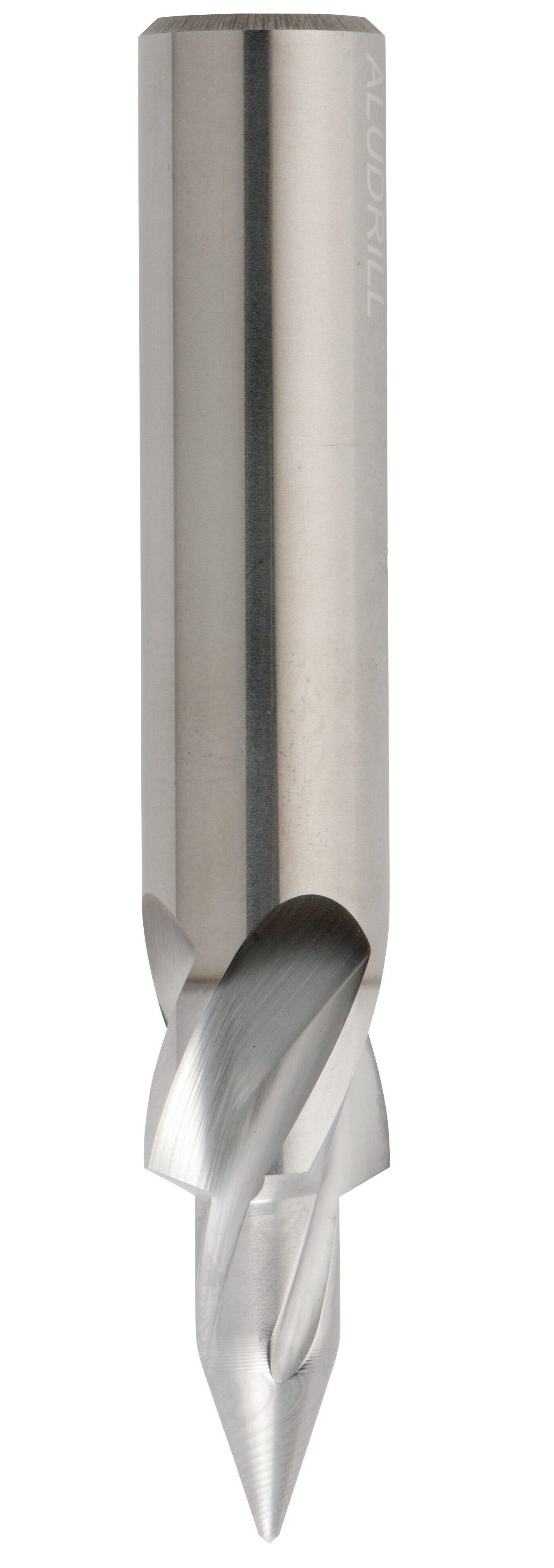
Friction drilling stands out because it deforms the metal instead of removing it. This process offers several benefits:
Traditional drilling and tapping techniques generate chips, leading to material waste. Friction drilling displaces the metal instead of removing it, resulting in zero waste.
Friction drilling eliminates the need for additional components such as nuts, rivet nuts, weld nuts or press nuts. This not only saves costs but also reduces the environmental impact associated with producing and transporting these materials.
The formed collar and threads are stronger and more durable, resulting in longer-lasting connections and reduced maintenance costs.
Friction drilling consumes less energy compared to welding, leading to lower energy consumption and a smaller environmental footprint.
Because friction drilling involves no material loss, profiles don’t need to be extra thick to achieve the required strength.

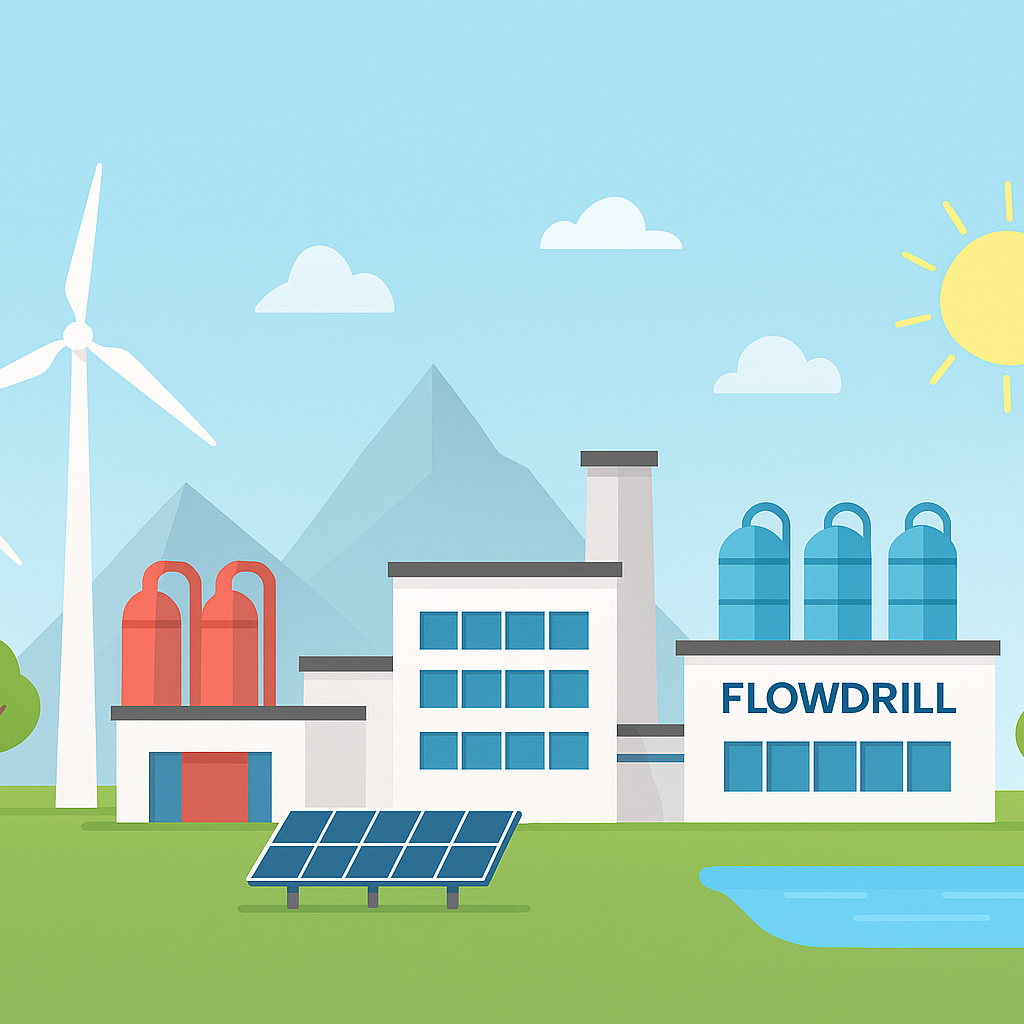
Friction drilling aligns with circular economy principles by promoting resource efficiency:
No chips means less waste and more efficient use of raw materials.
Flowdrill tools have a long service life, reducing the need for frequent replacements.
Because friction drilling does not add any “foreign” materials to the profile, the entire product is easy to recycle.
Friction drilling is widely used in sustainable projects, such as:
Solar Panels
Lightweight yet strong connections without additional fasteners.
Electric Vehicles
Durable fastening solutions in lightweight and recyclable materials like aluminum.
Modular Construction Systems
Secure steel and aluminum components in prefabricated houses and modular building components.
Heat Pumps & HVAC Systems
Reliable fastening for components in sustainable heating and cooling systems.
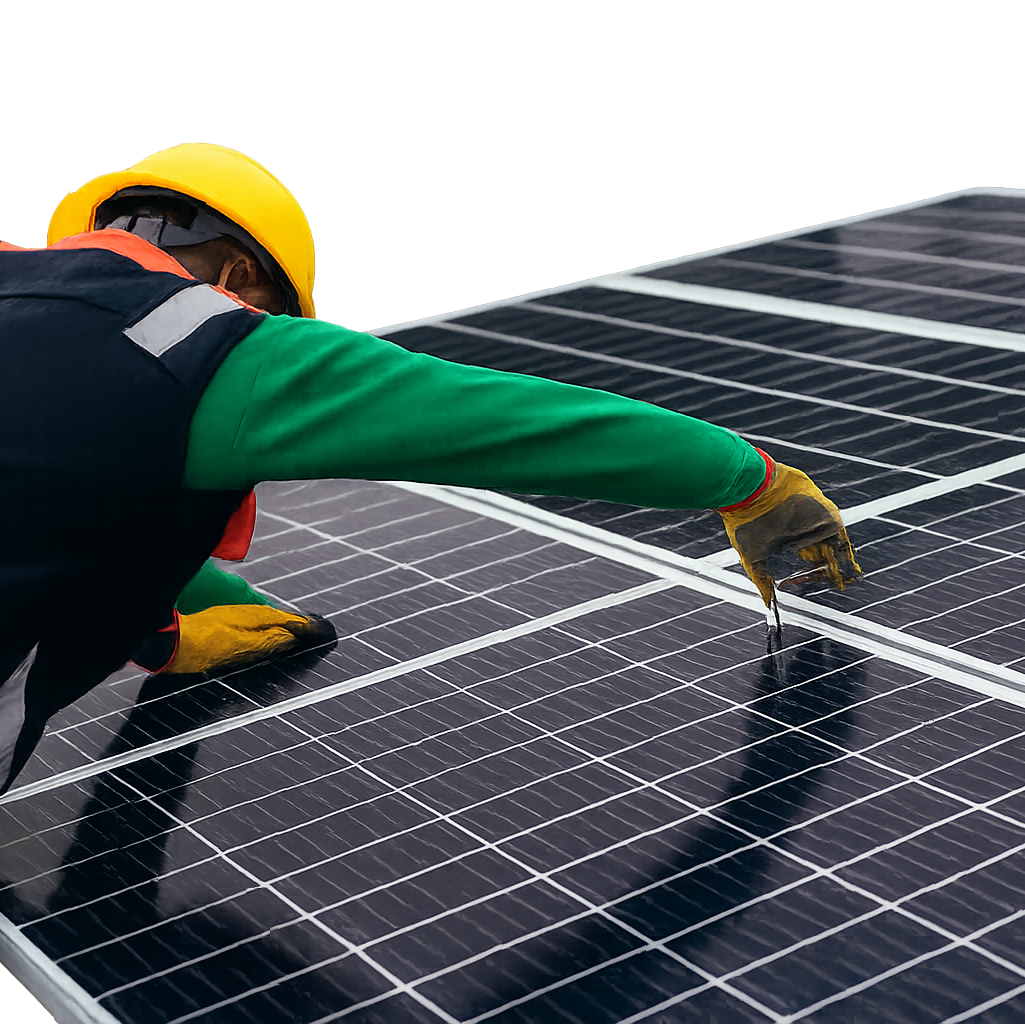
Frictiondrilling is possible on CNC machines, tube laser machines, and pillar drill machines. However, we do not recommend using a handheld drill for frictiondrilling. We offer specific toolholders for each type of machine. If you want to know whether your machine is suitable for frictiondrilling, or if you’re curious about what a new machine could do for you, feel free to contact us for more information.
Yes, this is possible. This is known as a “Flat Finish” or a collar-free result.
The Flat Finish is achieved by incorporating a milling cutter into the standard friction drill. In a single process, the tool forms the hole and removes the excess material from the top surface, leaving a flat finish.
This allows adjacent parts to be placed flush with the material surface and is particularly useful in applications where a clean and seamless result is required, such as in the furniture industry.
Friction drilling works in almost all materials that are ductile and not brittle. Think of aluminium, stainless steel, and high-strength steel with 1000 MPa or more.
Not sure if your material is suitable? Feel free to contact us. We can quickly check this in our material database. If needed, we’ll perform additional tests to determine the possibilities.
Try the search function
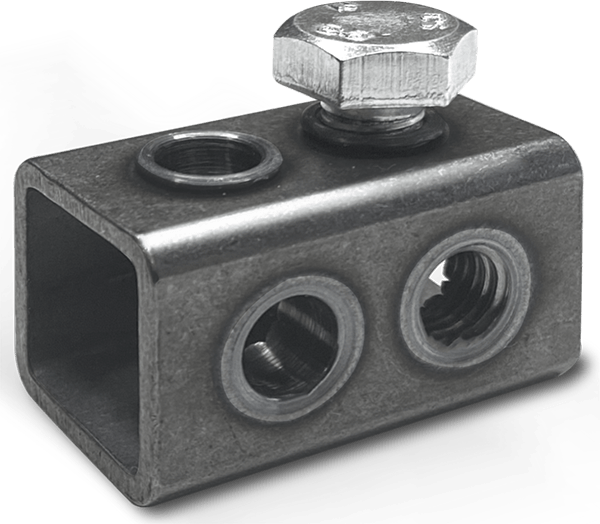

Free download – the official Flowdrill designer handbook
Read more
Learn the essential steps to remove and replace a loose or slipped rivet nut with our detailed guide. Understand why rivet nuts loosen, how to safely drill them out, and the correct method for reinsertion.
Read more
The automotive industry has always been one of the most complex and intricate supply chains to navigate. From raw materials […]
Read more