Contact us

Correct lubricant for Friction Drilling

Effective lubrication is essential for stable friction drilling. It influences heat control, material flow, bush geometry and tool wear. Incorrect or inconsistent lubrication is one of the most common root causes of quality deviations.

This page provides process engineers with a technically grounded guideline on how much and where lubricant should be applied, including typical application frequencies and failure mechanisms caused by incorrect lubrication.
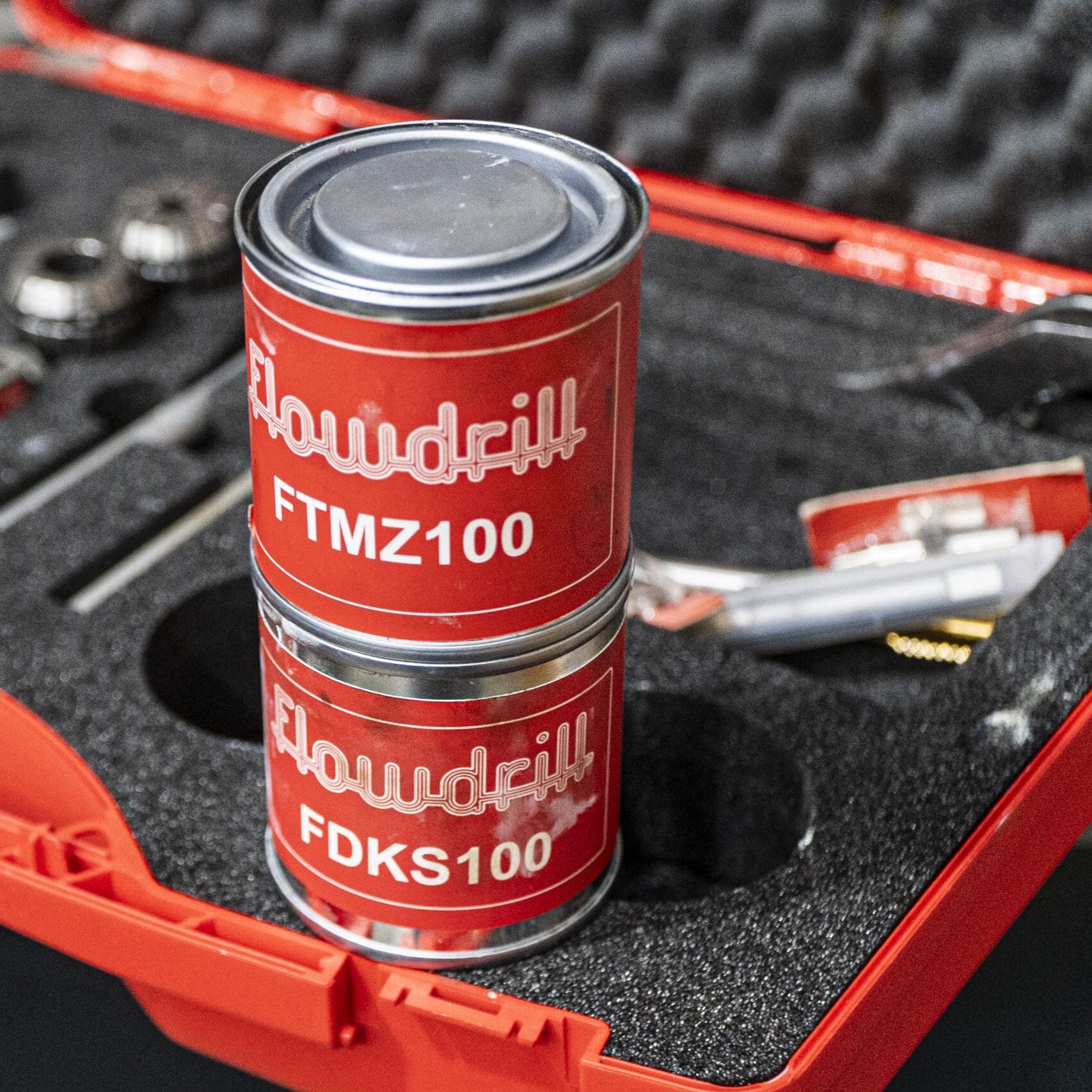
Functional role of lubrication in Friction Drilling

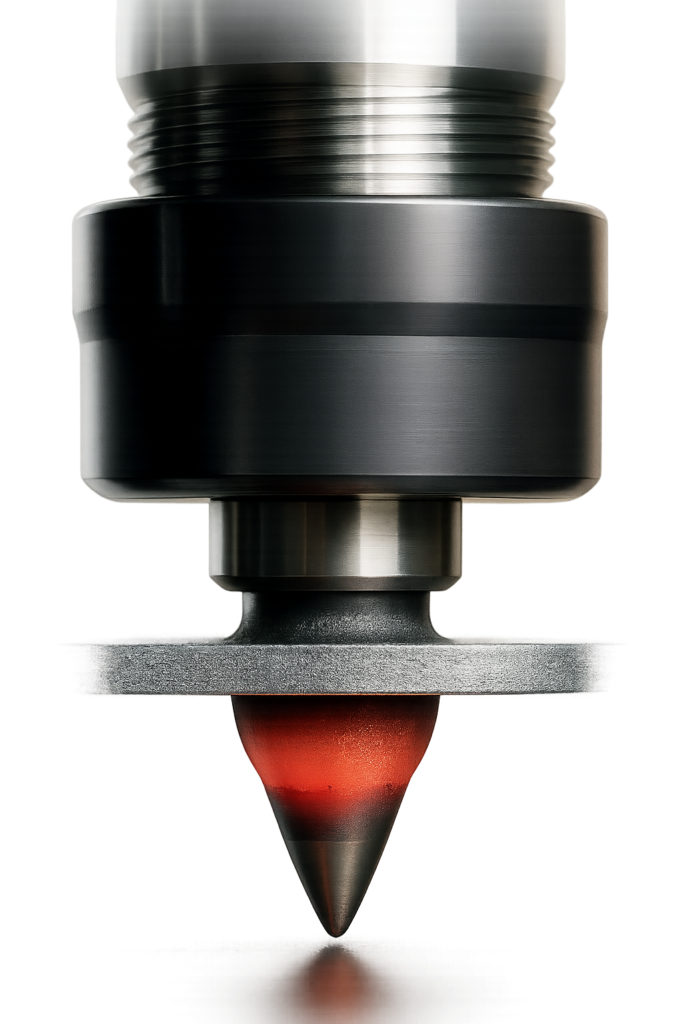
During friction drilling, the Flowdrill locally plasticizes the material. Controlled heat buildup is critical. Lubrication supports this process in three technical ways:
  1. Reduction of tool–workpiece friction
    Lower friction stabilizes torque and reduces thermal spikes.
  2. Thermal regulation during bush formation
    A consistent lubrication film ensures a predictable heat gradient along the tip and cylindrical section, which is essential for uniform bush elongation.
  3. Tool protection and geometry conservation
    Lubrication reduces abrasive wear on the flutes and forming surfaces, keeping the micro-geometry within its design tolerance.

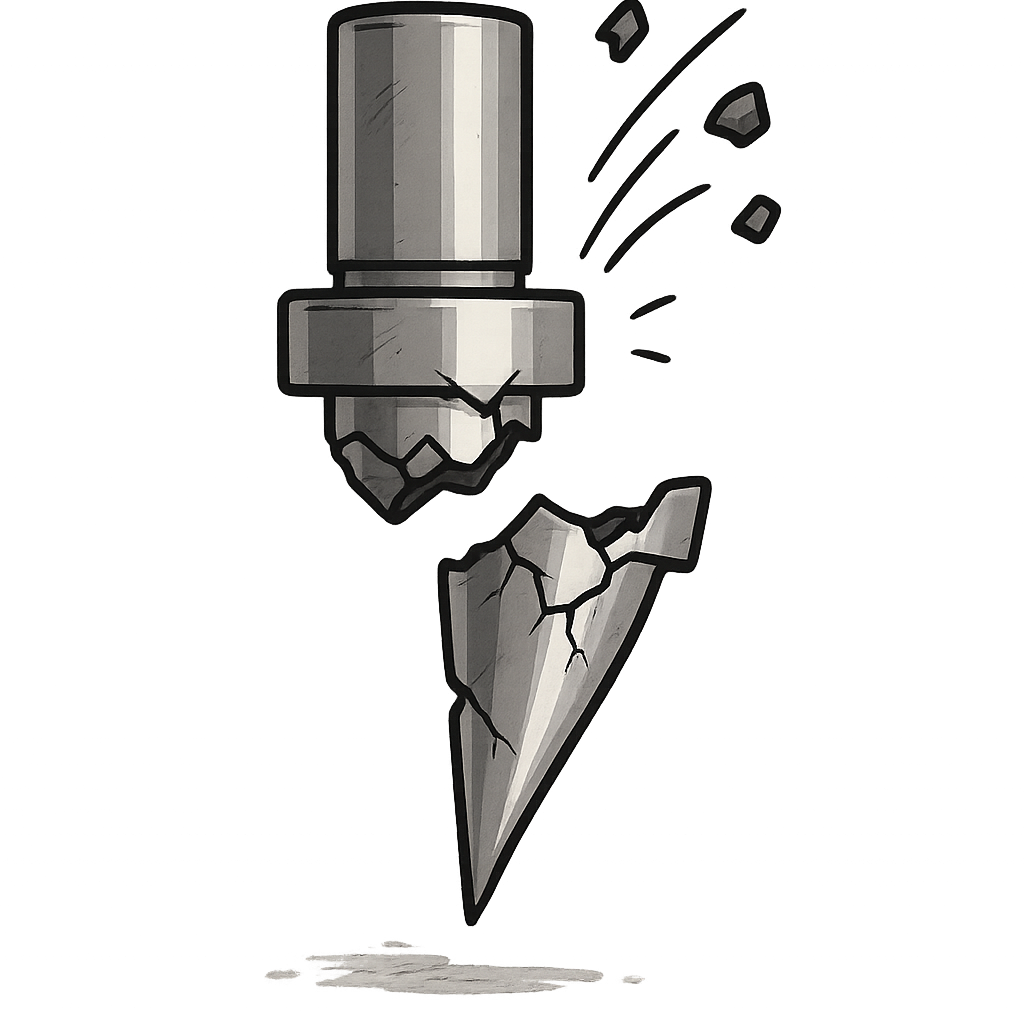
Skipping or under-applying lubricant

Wrong lubricant usage leads to:

  • Accelerated wear on the frictiondrill
  • Non-uniform optical quality
  • Reduced thread integrity

Recommended quantity

Technical guideline

Apply a thin, continuous film over the Flowdrill’s full working section:

  • The conical tip (initial penetration zone)
  • The cylindrical forming section (bush-forming zone)

The correct amount is just enough to create an even, semi-transparent layer.

Reapplication frequency

  • Aluminum & low-carbon steel: every 3–6 holes
  • Stainless steel: every 1–2 holes
  • High cycle frequency (>15 cycles/min): increase frequency due to faster heat saturation
  • Automated systems: use timed micro-dosing for repeatability

Technical risks of over-application

Excess lubrication introduces several failure mechanisms:

  • Irregular heat distribution: Excess paste insulates the tool surface, delaying heat buildup and causing incomplete bush formation.
  • Contamination of clamping surfaces and sensors: Lubricant on fixtures reduces part stability and may affect probe repeatability.
  • Excessive consumption with no functional benefit: Thick layers do not improve tool life and can interfere with downstream welding or coating processes.

The technical rule: A stable lubrication film is required, but any volume beyond film thickness is detrimental.
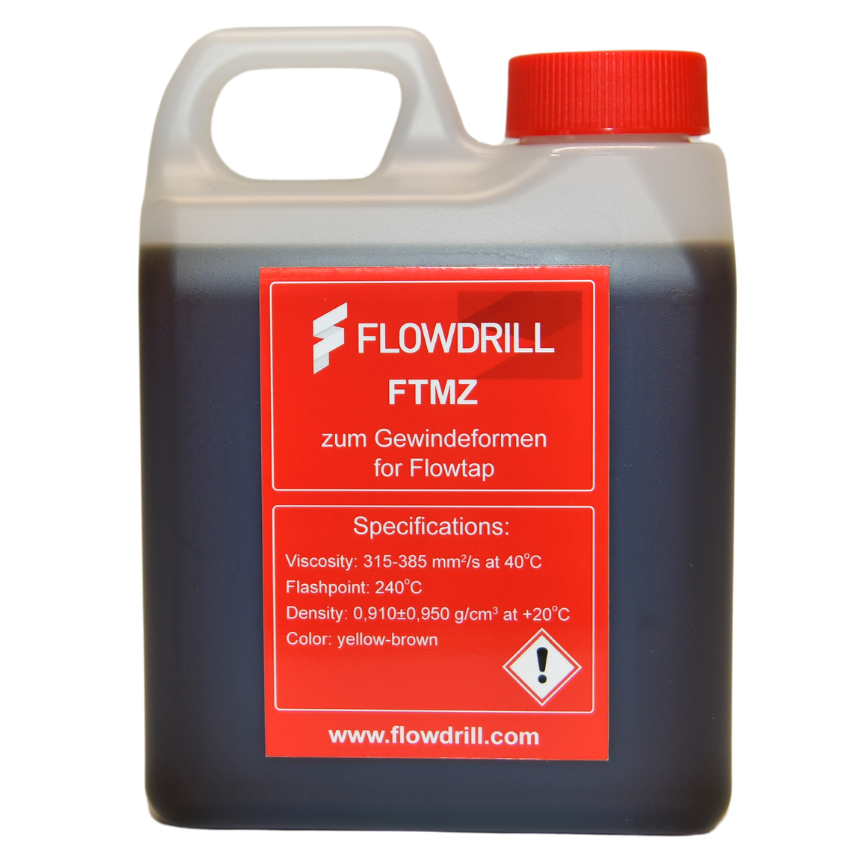
Diagnosing lubrication-related defects

Common symptoms of incorrect lubrication include:

  • Inconsistent bush height or wall thickness
  • Discoloration or burning marks on the tool
  • Increased axial force or torque fluctuations
  • Micro-cracks
  • Rapid wear on the cylindrical forming section of the drill
  • Thread tearing when forming/tapping after drilling

If any of these appear, lubrication technique should be checked before adjusting machine parameters.

Need a lubrication evaluation?

Flowdrill supports engineers with process audits, lubrication reviews, and tool-condition assessments. If your friction drilling results vary or you suspect lubrication may be the cause, contact our application engineering team for an evaluation.