Friction drilling lets you create threaded connections in thin-walled metal without chips, without welding, and without extra fasteners.
In this Knowledge Hub, you will discover:
Whether you’re an engineer, metalworker, product developer or production manager, here you’ll find everything you need to decide if friction drilling is the right solution for your manufacturing process.


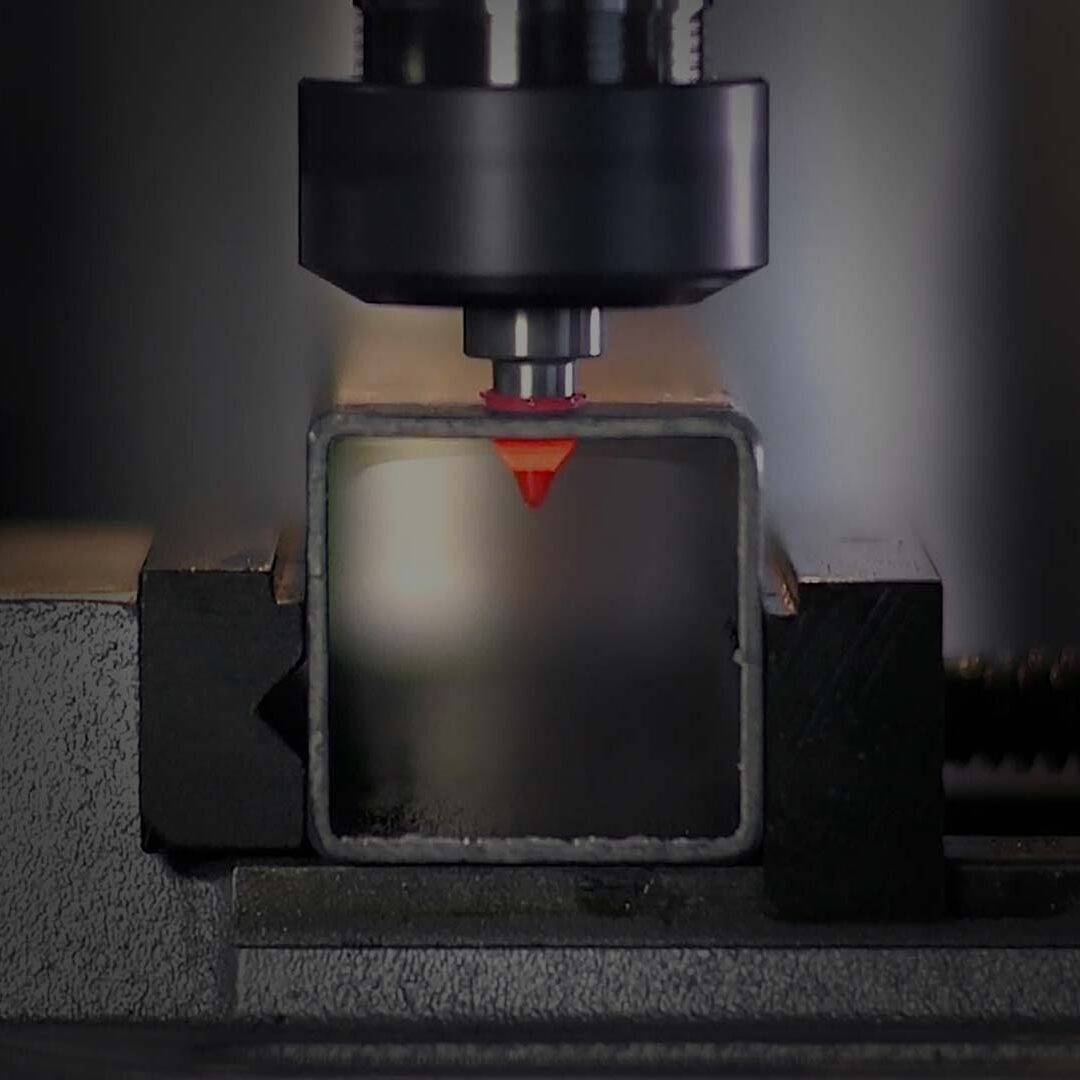
Friction drilling is a method for creating holes in metal without material loss.
It enables the formation of a strong threaded hole, making additional fasteners like press nuts, rivet nuts, or weld nuts unnecessary.
The result is a strong, efficient, and durable connection. Ideal for applications where reliability and cost-efficiency are essential.
Friction drilling relies on a special tool, the friction drill, which rotates at high speed to generate friction and heat.
The heat softens the metal, allowing it to deform in a controlled manner. As a result, a strong collar is formed around the drilled hole.
This collar is often tapped to create threads, resulting in a strong and durable connection.


Friction drilling offers many advantages over traditional drilling methods:
Sustainability:
No material is lost, which means less waste and no need for thicker profiles to achieve the same strength.
Strength:
It creates a reinforced collar around the hole, perfect for strong and reliable connections.
Speed, efficiency, and lower cost:
Friction drilling is faster than conventional techniques, requires less post-processing, fewer parts, and results in lower overall costs.
Versatile application:
Suitable for a wide range of metals, including steel, stainless steel, copper, and aluminum.
Friction drilling solves common issues caused by traditional inserts like press nuts, rivet nuts, or weld nuts.
These fasteners can spin or come loose under load and often offer limited pull-out and torque resistance, especially in thin-walled material. This results in weaker connections and a higher risk of failure.
Traditional inserts also create tolerance issues and produce chip waste during installation.
Friction drilling eliminates all of these drawbacks.

Yes, this is possible. This is known as a “Flat Finish” or a collar-free result.
The Flat Finish is achieved by incorporating a milling cutter into the standard friction drill. In a single process, the tool forms the hole and removes the excess material from the top surface, leaving a flat finish.
This allows adjacent parts to be placed flush with the material surface and is particularly useful in applications where a clean and seamless result is required, such as in the furniture industry.
Friction drilling works in almost all materials that are ductile and not brittle. Think of aluminium, stainless steel, and high-strength steel with 1000 MPa or more.
Not sure if your material is suitable? Feel free to contact us. We can quickly check this in our material database. If needed, we’ll perform additional tests to determine the possibilities.
Friction drilling is the solution for strong, durable threaded connections in thin-walled metal. It is:
Friction drilling simplifies your production process and makes it cleaner, faster, and allows for a consistently high quality.
With our Quick Guide, you and your colleagues can quickly get familiar with the benefits of friction drilling and discover why it’s the perfect solution for your fastening needs.

Want to see how friction drilling truly makes a difference in practice? Our case studies show how customers have improved their production processes and products with Flowdrill. Learn how they achieved stronger connections, increased production efficiency, and reduced costs.
But that’s not all, we also share the challenges they faced and how they overcame them. These real-world stories provide valuable insights and demonstrate how friction drilling offers a sustainable solution to complex manufacturing challenges.
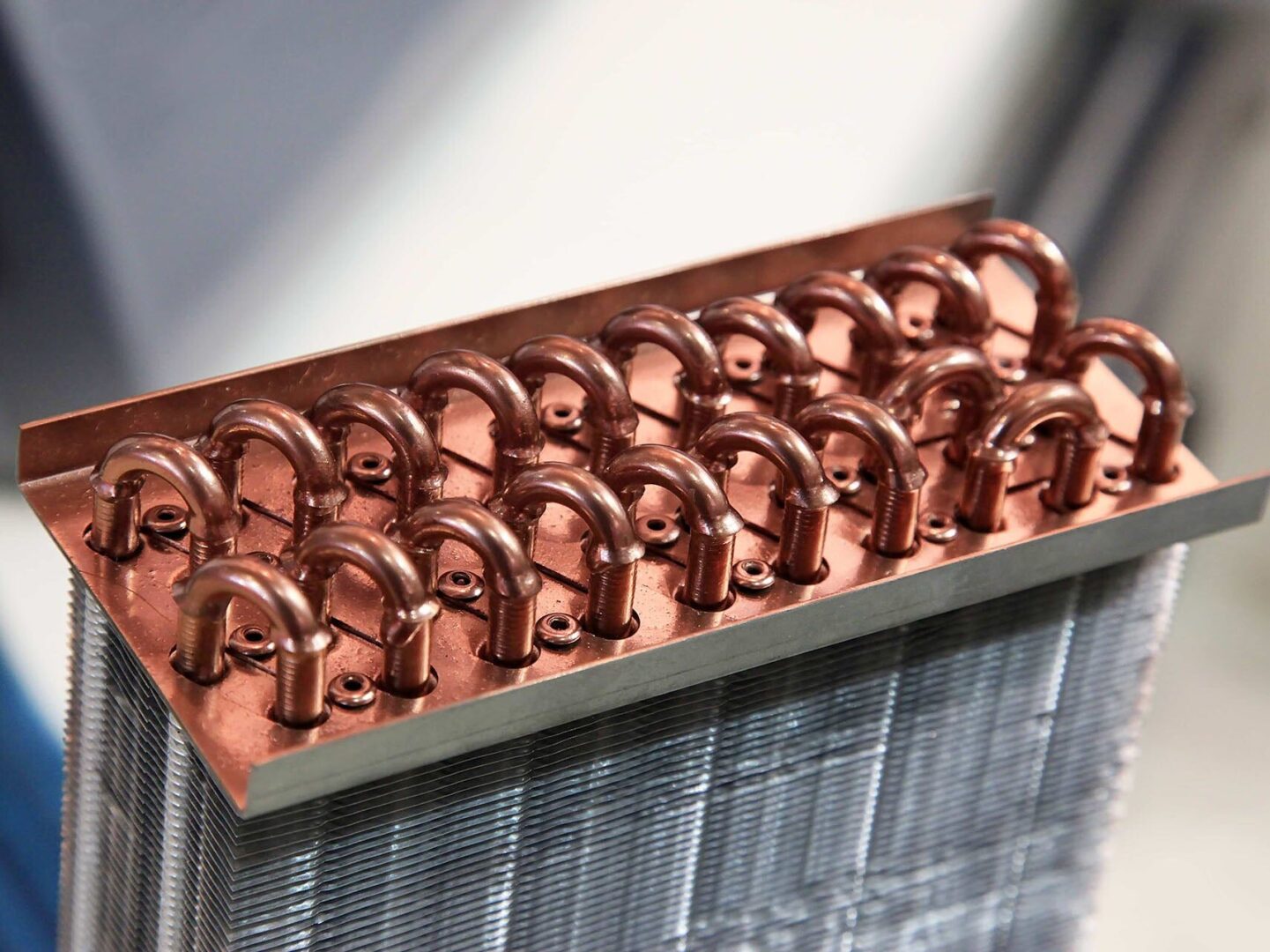
To eliminate chips and improve consistency in HVAC production, Johnson Controls adopted friction drilling as a reliable alternative to conventional drilling.
Read more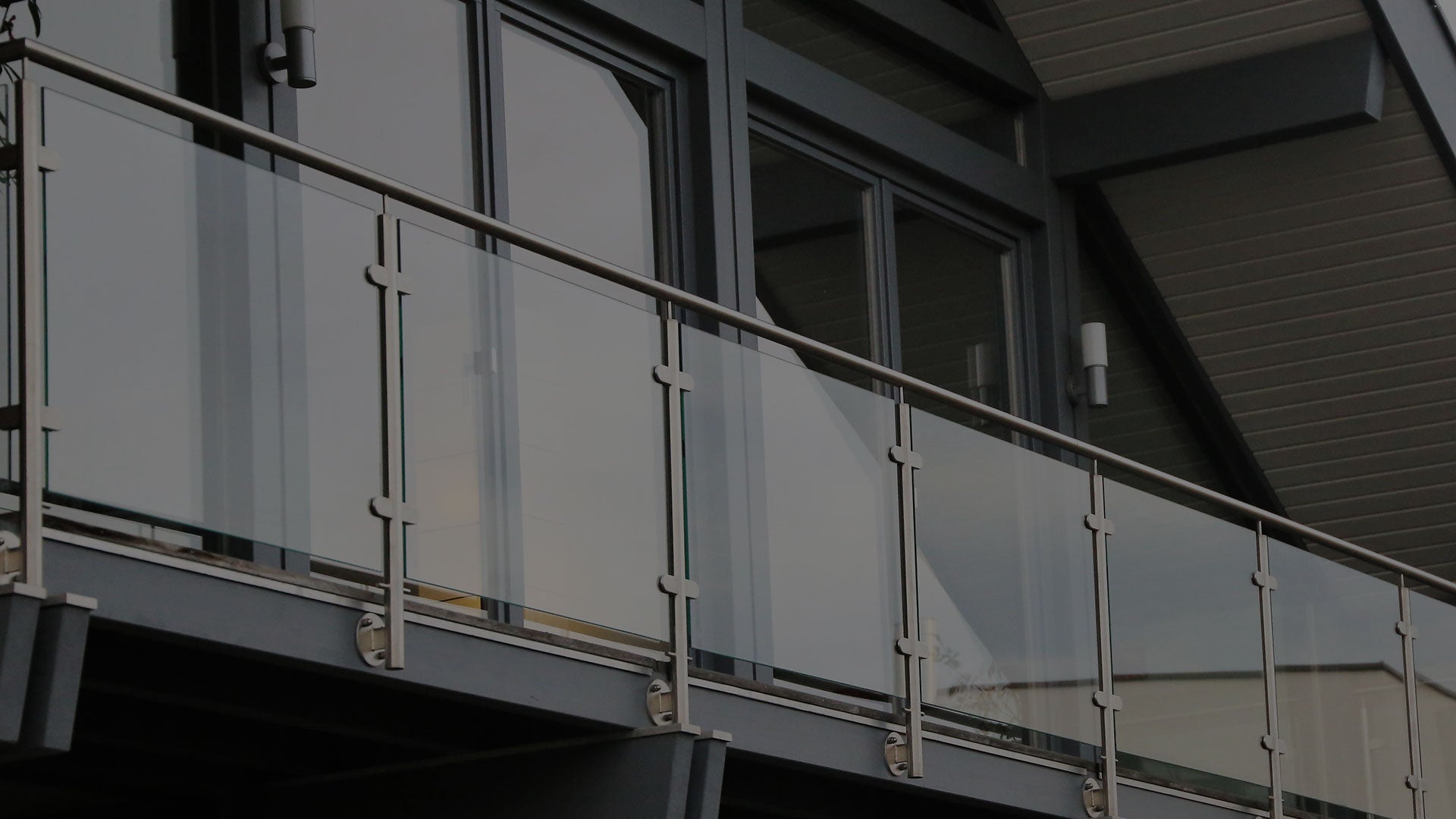
Flowdrill enabled StairSupplies to form threads directly in 7ga steel tubing, eliminating backside hardware and supporting a more efficient, scalable production process.
Read more
Gestamp Tallent implemented Flowdrill friction drilling to overcome space constraints in subframe production, eliminating weld nuts, reducing material use, and achieving long-term cost savings with OEM-level quality.
Read more